
Imagine zipping through the aisles of your favorite store with a shopping cart that’s as smart as your smartphone. A shopping cart that helps you find your groceries, keeps track of your spending, and even suggests recipes based on your purchases. Sounds like something out of a sci-fi movie, right? Well, welcome to the age of smart shopping carts. These innovative tools are changing the retail game, making shopping not just an errand but a fun and efficient experience. Let’s discover the realm of smart shopping carts and why they may soon be your shopping companion of choice.
What Is a Smart Shopping Cart?

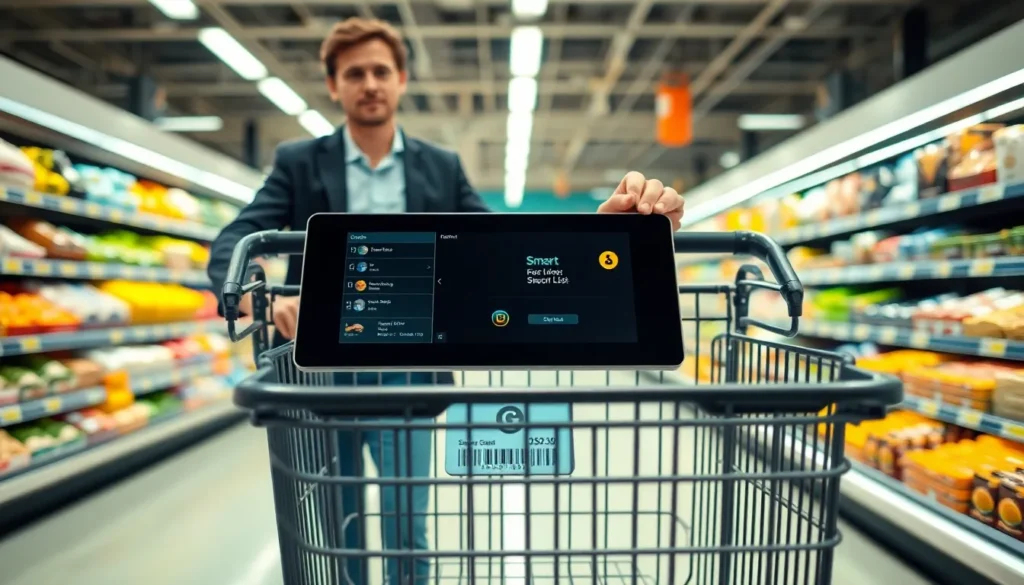
A smart shopping cart is more than just a metal frame on wheels: it’s a combination of advanced technology designed to enhance the shopping experience. Equipped with features like touch screens, weight sensors, and GPS, these carts communicate with shoppers, guiding them through retail aisles.
Through a seamless connection to the store’s app, the cart can display product information, track inventory levels, and even offer personalized discounts. Think of it as your personal shopping assistant that never asks for a coffee break. They are designed to make shopping faster, more convenient, and much more interactive than traditional carts.
Key Features of Smart Shopping Carts
Smart shopping carts come packed with features designed to improve the shopping experience. Here are some of their standout capabilities:
User-Friendly Interface
The carts typically include a touchscreen where shoppers can easily navigate menus, view product details, and access shopping lists. With intuitive designs, shoppers can quickly adapt to using them without needing a tech manual.
Real-Time Inventory Tracking
Gone are the days of running aimlessly through the store looking for that elusive cereal brand. Smart carts can show inventory levels in real-time, ensuring you don’t waste time searching for products that may be out of stock.
Personalized Recommendations
Using algorithms similar to those used by online retailers, these carts can suggest products based on your shopping history and preferences. Forget about decision fatigue: let your cart do the thinking.
Instant Checkout
Many smart carts feature self-checkout capabilities. You can scan items as you go and complete your transaction right in the cart, making the checkout line seem like a distant memory.
Navigation Assistance
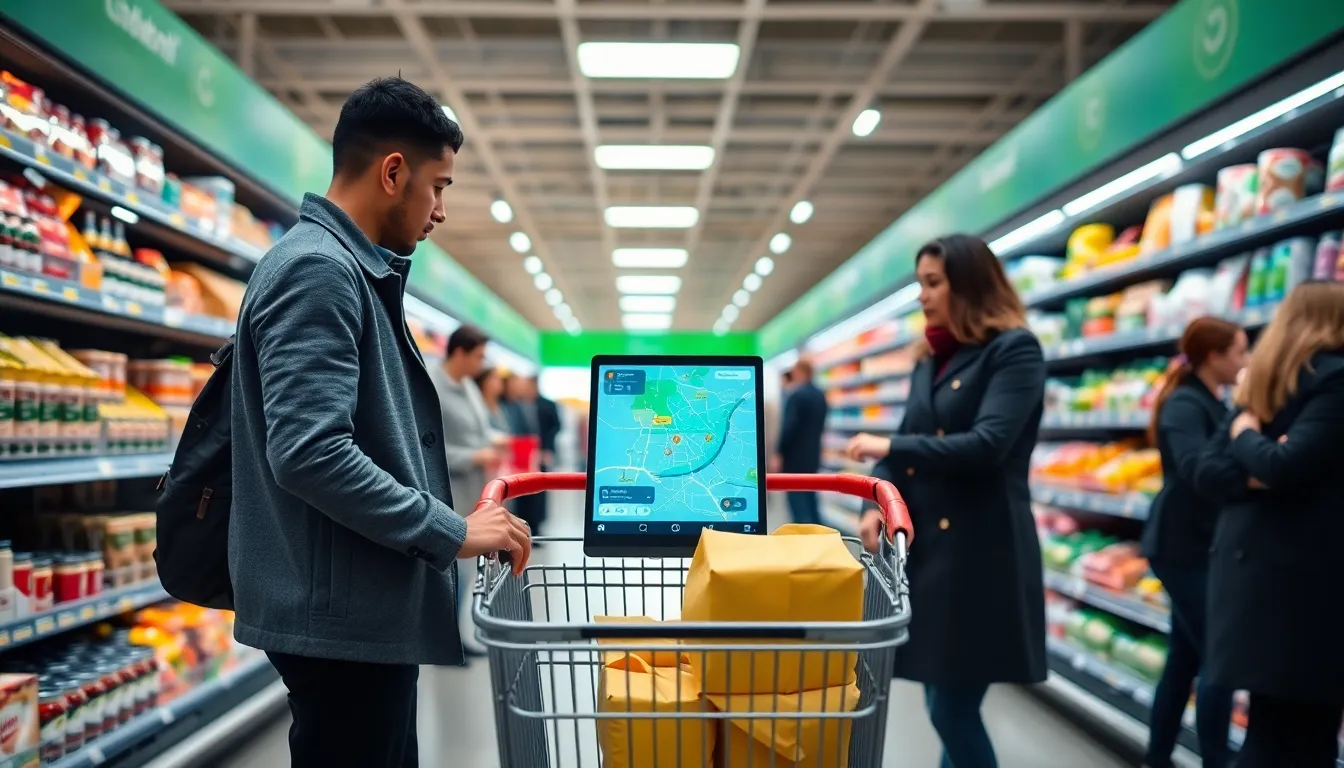
As if magic’s involved, these carts can guide you to items via an interactive map, allowing for a more strategic shopping trip. They’ll direct you to the quickest route through the store based on your shopping list.
Benefits of Using Smart Shopping Carts
Adopting smart shopping carts brings numerous advantages to both retailers and customers alike. Here’s why they are winning hearts and minds:
Enhanced Efficiency
Shopping becomes more streamlined: less time spent in-store means customers have more time for the things they love. Speed is the name of the game, and smart carts deliver by allowing shoppers to find items quickly and check out even faster.
Improved Customer Experience
Personalized recommendations and ease of navigation transform a mundane grocery run into an enjoyable outing. Shoppers feel valued when an app remembers their preferences.
Reduced Operational Costs
For retailers, reducing checkout lines translates to less staff needed at registers, so saving costs. Also, dynamic inventory tracking can reduce waste and ensure popular stock stays available.
Data Collection
Smart carts provide invaluable data about shopping habits and preferences. This information can guide retailers in stocking products that align with what customers want most.
Future-Proofing Retail
As technology continues to advance, integrating smart solutions like shopping carts prepares retailers to adapt fluidly to changing consumer needs and industry standards.
Technological Innovations Behind Smart Shopping Carts
The smart shopping cart phenomenon is powered by cutting-edge technology, proving that innovation is no longer just a buzzword: it’s a reality.
Internet of Things (IoT)
Using IoT technology, these carts communicate with other smart devices in the store. Sensors relay real-time data, enabling smooth functionality.
Machine Learning and AI
Leveraging machine learning, carts can analyze customer behavior, tailoring suggestions and improving recommendations over time. The more you shop, the smarter your cart becomes.
Augmented Reality (AR)
Some carts even use AR for an enhanced shopping experience, offering immersive views of products and allowing customers to visualize how items fit into their homes before purchasing.
Mobile App Integration
Most smart shopping carts seamlessly integrate with retail apps, allowing customers to track purchases, receive alerts for sales, and even share shopping lists with family and friends.
Challenges and Considerations
Even though the numerous advantages, the journey towards widespread smart shopping cart adoption is not without its bumps.
High Initial Costs
Investing in smart carts can be significant. Smaller retailers may find the initial costs challenging, which could limit their ability to compete with larger chains.
Privacy Concerns
With increased data collection comes the responsibility of protecting customer information. Retailers must navigate privacy laws while ensuring shoppers feel secure in sharing their data.
Technology Dependence
What happens if the technology fails? System outages could lead to customer frustration, especially if checkout options become limited during technical difficulties. Planning for contingencies becomes crucial.
Customer Adaptation
Not all shoppers are tech-savvy: introducing new technologies may alienate customers who are hesitant to embrace change. Retailers need to carry out training strategies or phased rollouts to build confidence.
Future of Smart Shopping Carts in Retail
Looking beyond the horizon, smart shopping carts are set to play a pivotal role in shaping the retail landscape.
Increased Adoption
As technology becomes more mainstream, expect to see a significant rise in the use of smart carts among retailers of all sizes, driven by consumer demand for personalized experiences.
Integration with E-Commerce
With the ongoing rise of online shopping, retailers may integrate smart carts with their online platforms, creating a bridge for customers who prefer both in-store and online shopping experiences.
Sustainability Efforts
Smart shopping carts could further enhance the retail industry’s commitment to sustainability. With real-time inventory tracking, retailers can minimize waste and manage resources more efficiently.
Continuous Innovation
The future holds endless possibilities. Innovations such as biometric scanning or enhanced AR features might redefine the shopping experience, pushing boundaries further.