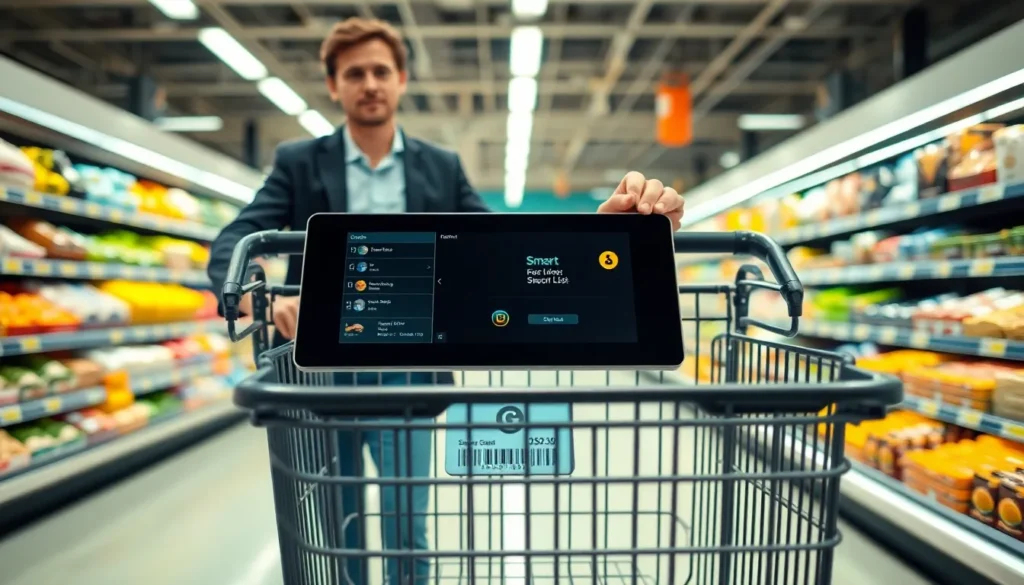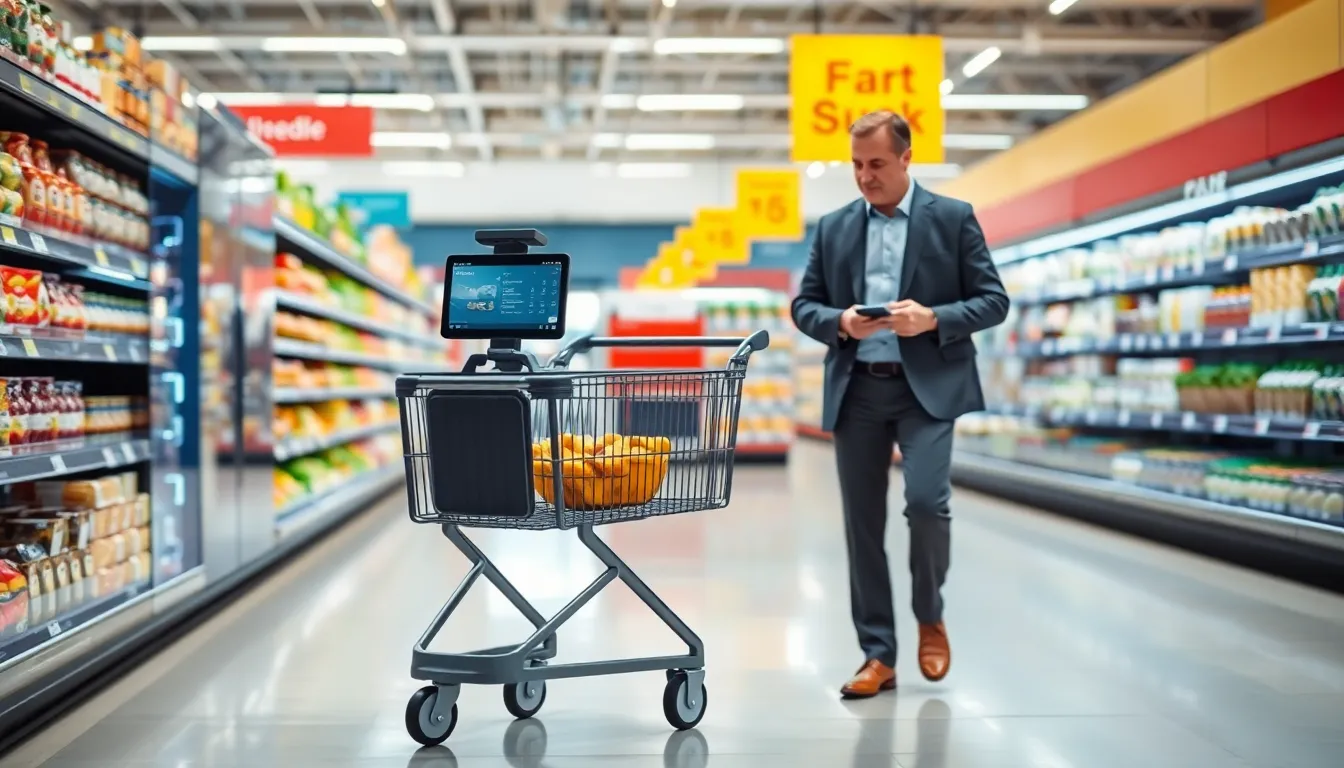

Imagine this: You stroll into your favorite grocery store with no list, no clue what you need, and, oh look, a shopping cart that not only holds your groceries but also helps you find them. Welcome to the world of smart shopping cart technology. This isn’t just a frame on wheels: it’s a game-changer. By merging convenience with cutting-edge tech, these carts are making shopping easier, funnier, and surprisingly, a bit smarter. So buckle up as we explore this revolutionary system that might just steal the spotlight from your favorite shopping companion, your shopping list.
What Is Smart Shopping Cart Technology?
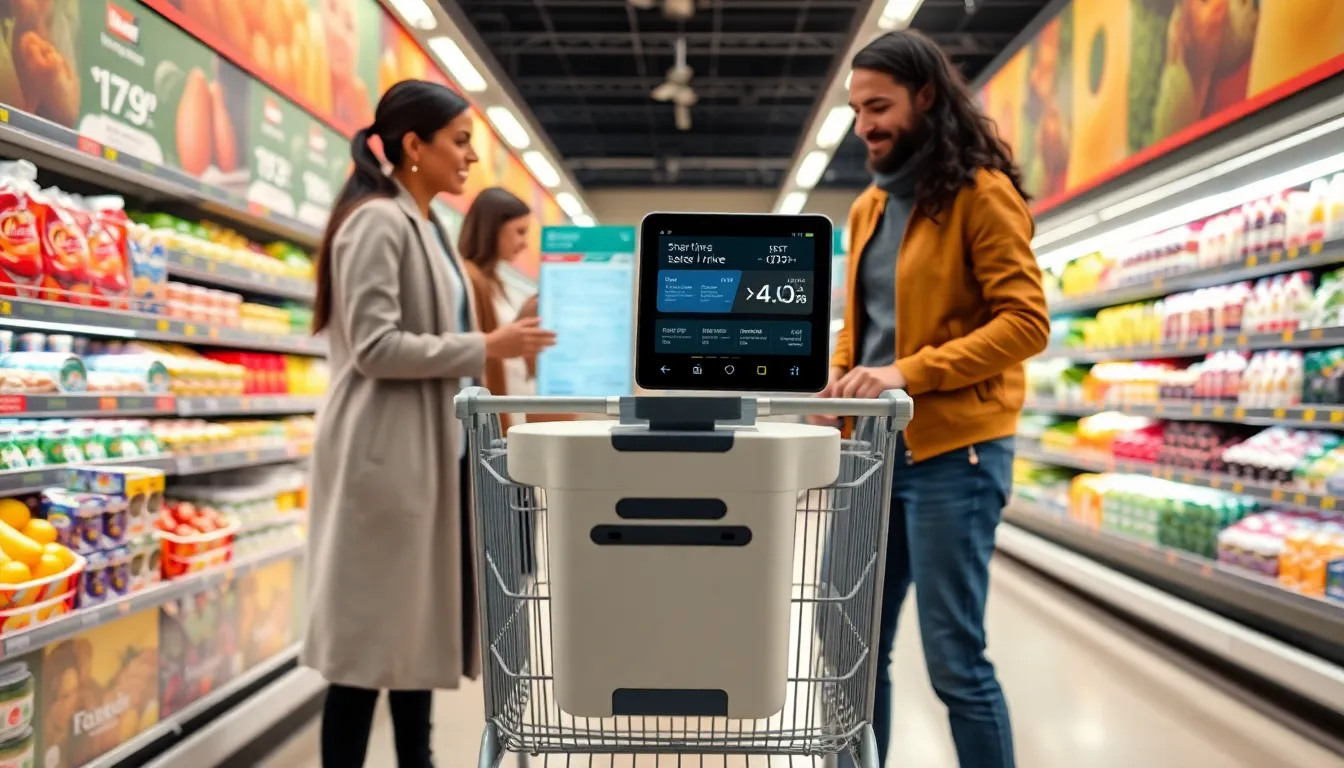
Smart shopping cart technology refers to advanced carts used in retail settings, designed to enhance the shopping experience. These carts often come equipped with sensors, cameras, and computers that provide users with a unique, interactive experience. They can track items as they’re added, adjust the total price in real-time, and even guide customers through the aisles based on their shopping lists. Essentially, they turn a traditional grocery cart into a high-tech companion ready to assist with every purchase.
What’s more, smart carts can incorporate features like product suggestions based on previous purchases or dietary preferences. They may have screens displaying ads or product promotions as you shop. Think of them as your personal shopping buddy, but less socially awkward. They’re here to make life easier and more efficient, all while you navigate the chaotic aisles of your local supermarket.
How Smart Shopping Carts Work
So how do these high-tech carts actually work? At their core, smart shopping carts use a blend of technologies to create a seamless shopping experience. They often include:
Sensors and Cameras
These senses are the eyes and ears of the smart cart. Using a combination of weight sensors to detect items added to the cart and cameras to scan barcodes, the cart can accurately keep track of everything you pick up.
User Interface
The cart’s digital screen serves as a user interface. Customers can input their preferences or shopping lists and watch in amazement as the cart displays relevant products and their locations within the store. It’s like having a mini GPS for your groceries.
Connectivity
Smart carts typically connect to the store’s servers via Wi-Fi, allowing them to provide real-time pricing information and inventory updates. This feature helps prevent the dreaded scenario of searching for an item, only to find it out of stock.
Checkout Integration
Some smart shopping carts even allow for mobile payment options or can be integrated with self-checkout systems. This integration can drastically reduce the time spent in lines, making that Saturday morning grocery run feel like a breeze.
With these components working in harmony, smart shopping carts can enhance both productivity and enjoyment while shopping.
Benefits of Smart Shopping Carts
The introduction of smart shopping carts brings a range of benefits that are hard to ignore:
Enhanced Shopping Experience
Who doesn’t want a more enjoyable shopping experience? Smart carts can help streamline your visit, making it not just efficient but also engaging. Navigating through stores becomes less tedious when you have a cart guiding your path.
Real-Time Pricing and Inventory Monitoring
Consumers appreciate transparency in pricing. Smart carts provide live totals that update with every item added, eliminating any surprises at checkout. Plus, knowing if an item is in stock before you roam the aisles saves precious time.
Personalized Recommendations
These carts can analyze shopping habits and suggest products based on previous purchases. Imagine walking into the store, and your cart nudges you toward your favorite snacks, making your shopping feel personalized and thoughtful.
Time-Saving
With optimized navigational features and efficient checkout processes, shoppers can get in and out of stores quicker. This efficiency can be particularly valuable during peak shopping hours when crowds can be overwhelming.
Reduced Checkout Times
Integrating payment solutions into smart carts helps cut down waiting in lines. Skip lengthy checkout processes and breeze out of the store, potentially with fewer items in hand but a greater sense of satisfaction.
Challenges Facing Smart Shopping Cart Implementation
Even though the myriad benefits, implementing smart shopping cart technology isn’t all smooth sailing. Retailers face several hurdles, including:
High Initial Costs
Equipping stores with smart shopping carts involves a significant investment in technology, maintenance, and training. The costs can be prohibitive, especially for smaller retailers unaccustomed to modern tech.
Technical Issues
Like any technology, smart carts are susceptible to glitches. Whether it’s a software malfunction or connectivity issues, retailers must ensure a robust support system to address technical difficulties promptly.
Customer Acceptance
Not every shopper is ready to embrace this wave of innovation. Education and introduction efforts are needed to familiarize buyers with smart shopping carts and help them understand how to leverage their benefits.
Data Security
With the rise of digital solutions comes the ever-looming risk of data breaches. Retailers must prioritize customer data security to foster trust and ensure shopper safety.
The Future of Smart Shopping Cart Technology
As technological advancements continue to evolve, the future of smart shopping carts looks bright. Some exciting trends include:
AI Integration
Artificial intelligence could revolutionize smart carts even further. Imagine a cart that learns from your shopping habits more intuitively, suggesting healthier options or even creating your shopping list based on past purchases.
Sustainability Features
With increasing awareness of environmental issues, future smart carts may also incorporate features that help shoppers make eco-friendly choices. From tracking carbon footprints to suggesting local, organic products, these carts could lead the push towards more sustainable shopping habits.
Enhanced Customer Engagement
Developing immersive experiences through augmented reality is another avenue open to smart carts. Visual overlays could guide shoppers to deals or showcase information about product origins.
Mobile App Integration
Future smart carts could seamlessly integrate with mobile applications, allowing users to manage their shopping directly from their smartphones. This future-oriented approach could redefine how consumers interact with grocery shopping, making it a blend of online and in-store experiences.