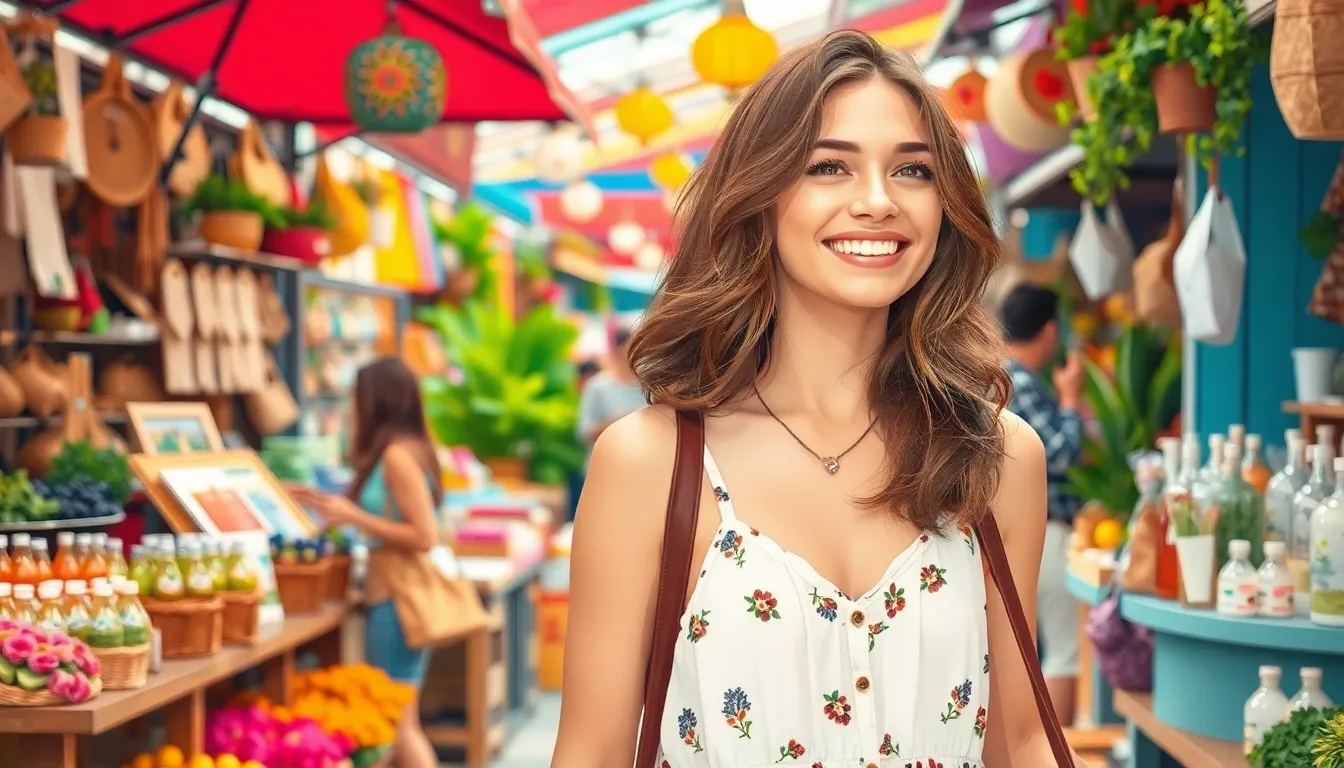

In a world where shopping is no longer just about necessity, lifestyle shopping has emerged as the ultimate excuse to indulge in a little retail therapy. It’s not just about snagging the latest trends; it’s about curating a life that screams “fabulous” with every purchase. Whether it’s those eco-friendly yoga mats or artisanal coffee makers that make mornings feel like a spa retreat, lifestyle shopping transforms everyday living into an experience worth bragging about.
Imagine strutting down the street with a tote full of goodies that not only elevate your style but also reflect your personality. It’s like dressing your life in designer labels, but without the hefty price tag. So buckle up and get ready to explore how lifestyle shopping can turn the mundane into the extraordinary, one fabulous find at a time. After all, who said shopping can’t be a lifestyle choice?
Overview of Lifestyle Shopping
Lifestyle shopping emphasizes self-expression and indulgence in consumer choices. This approach transforms buying into a meaningful experience, allowing individuals to curate their personal aesthetics.
Definition and Concept
Lifestyle shopping involves selecting products that reflect one’s identity and preferences, rather than focusing solely on basic needs. It includes an array of items ranging from fashion to home decor. Unique goods, such as artisanal crafts and sustainable products, often characterize this shopping style. Engaging with brands that align with personal values enhances the shopping experience. Overall, lifestyle shopping encourages individuals to seek items that bring joy and elevate daily routines.
Importance in Modern Retail
Modern retail thrives on lifestyle shopping as it creates a vibrant marketplace. This shopping style appeals to consumers seeking authenticity and connection with brands. Retailers that prioritize lifestyle products foster brand loyalty and enhance customer satisfaction. Shoppers appreciate personalized experiences that resonate with their values, making lifestyle brands more compelling. In turn, businesses benefit from increased engagement and higher conversion rates. Lifestyle shopping not only drives sales but also shapes market trends, influencing product offerings across various industries.
The Evolution of Lifestyle Shopping
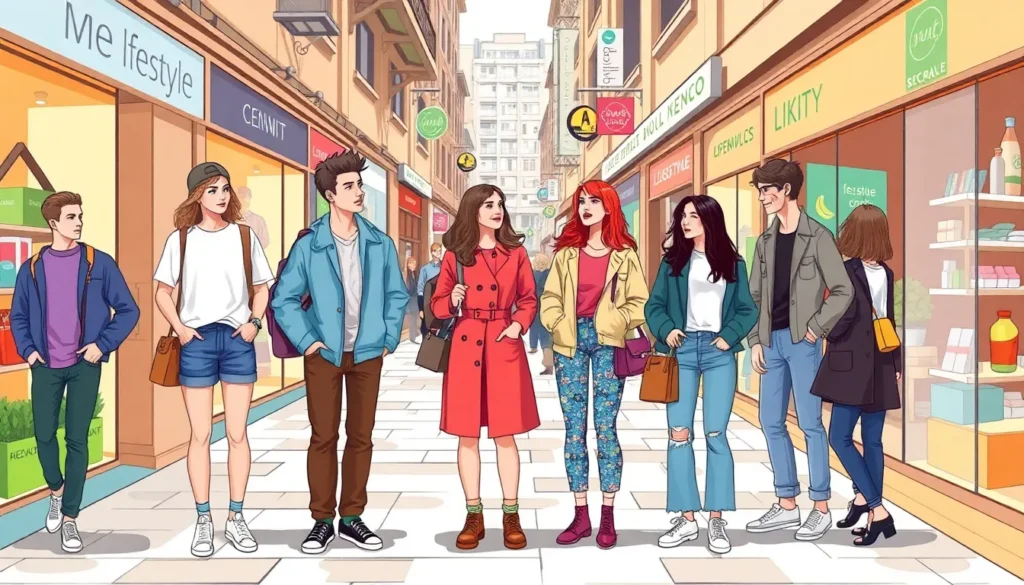
Lifestyle shopping has transformed significantly over the years, evolving from basic needs into an expression of individuality. This shift reflects changing consumer values and preferences.
Historical Background
Lifestyle shopping emerged in response to growing affluence following World War II. Consumers began to seek items that showcased their identity instead of just fulfilling practical needs. The 1970s and 1980s saw the rise of brands that focused on lifestyle-oriented marketing, appealing to personal tastes rather than just utility. By the early 2000s, the advent of e-commerce made niche markets accessible, enabling consumers to discover unique products. This historical context set the stage for today’s vibrant lifestyle shopping culture.
Current Trends
Current trends in lifestyle shopping highlight authenticity and sustainability. Consumers, especially millennials and Gen Z, favor brands that prioritize ethical practices and eco-friendly products. Customization options have become popular, allowing shoppers to personalize items that resonate with their identities. Online platforms play a crucial role, offering curated selections that enhance the shopping experience. Social media influences purchasing decisions, as visually appealing products gain traction. Engaging with lifestyle brands boosts brand loyalty and increases community connection, driving continued growth in this retail segment.
Factors Influencing Lifestyle Shopping
Lifestyle shopping is influenced by various factors that shape consumer decisions and preferences. Understanding these elements helps to grasp the significance of lifestyle shopping in today’s marketplace.
Consumer Behavior
Consumer behavior plays a vital role in lifestyle shopping dynamics. It consists of the attitudes, motivations, and decisions made by shoppers. Individuals prioritize unique experiences and personal expression through their purchases. This shift from necessity to desires often leads to higher demand for products that reflect one’s identity. Research shows that lifestyle shoppers frequently choose brands aligning with their values, resulting in increased brand loyalty. Associating purchases with identity fosters deeper emotional connections. Retailers who understand these shifts can effectively tailor their offerings to meet these evolving expectations.
Social Media Impact
Social media significantly impacts lifestyle shopping trends. Platforms like Instagram and Pinterest enable users to share ideas, aesthetics, and recommendations. Influencers play a crucial role by showcasing products that resonate with their followers. These visuals often inspire immediate purchases among consumers striving to replicate curated lifestyles. The emphasis on authenticity encourages brands to engage with their audiences in meaningful ways. Feedback and reviews also shape public perception, enhancing consumer trust. Brands that leverage social media effectively can attract and maintain loyal customers in an increasingly competitive landscape.
Benefits of Lifestyle Shopping
Lifestyle shopping offers numerous advantages, making it appealing to consumers who value personal expression and community engagement.
Personal Expression
Lifestyle shopping allows individuals to showcase their personalities through curated selections of products. Brands that offer unique, trendy items often resonate with shoppers’ desires for authenticity. Choices reflect personal tastes, from fashion statements to home decor. Each purchase stands as a testament to one’s identity, creating a tailored shopping experience. Shoppers often gravitate toward products that echo their values, whether sustainability or craftsmanship. This connection deepens emotional ties, enhancing brand loyalty. In a world filled with generic offerings, lifestyle shopping empowers consumers to define their style distinctively.
Community Building
Lifestyle shopping fosters a sense of belonging among like-minded individuals. Brands that prioritize community create spaces for customers to connect and share experiences. Social media plays a significant role in this dynamic, encouraging interactions through hashtags and shared content. Engaging with brands that align with personal values cultivates trust and loyalty. These interactions often lead to collaborative opportunities, such as co-creating product lines. Community-oriented initiatives, such as local events, strengthen relationships between brands and consumers. Ultimately, lifestyle shopping builds vibrant networks where shared interests flourish and individuals feel supported.
Challenges and Criticisms
Lifestyle shopping faces significant challenges and criticisms, particularly regarding its environmental impact and economic implications.
Environmental Concerns
Lifestyle shopping often promotes consumption patterns that contribute to environmental degradation. Manufacturing processes for trendy items frequently utilize non-sustainable materials, leading to increased waste and pollution. For instance, fast fashion brands, which cater to lifestyle shoppers, produce massive quantities of clothing that quickly end up in landfills. Studies show that the fashion industry is responsible for 10% of global carbon emissions, signifying a pressing issue. Consumers may seek eco-friendly alternatives, but the allure of instant gratification continues to drive unsustainable buying habits. This disconnect reveals the need for more awareness among shoppers regarding their purchasing consequences on the planet.
Economic Impact
The rise of lifestyle shopping influences local economies and small businesses, often creating disparities. While major retailers benefit from the trend, smaller establishments struggle to compete with vast online marketplaces offering similar products at lower prices. Research indicates that about 30% of small businesses have closed due to intensified competition from e-commerce platforms. The shift towards experience-focused purchases can detract from essential needs, potentially destabilizing traditional retail markets. Additionally, increased consumer spending on lifestyle products raises concerns about financial health, prompting individuals to prioritize non-essential items over necessary expenditures. Balancing desires and needs is crucial in navigating this economic landscape.
Lifestyle shopping represents a significant shift in consumer behavior where personal values and self-expression take center stage. As shoppers seek authenticity and connection with brands that resonate with their identities, they create a marketplace driven by individuality and community. The influence of social media and evolving consumer preferences will continue to shape this vibrant retail culture.
While lifestyle shopping offers opportunities for personal expression and brand loyalty, it also raises important questions about sustainability and economic impact. Striking a balance between indulgence and responsibility is essential for consumers navigating this complex landscape. Embracing lifestyle shopping can enrich daily experiences but requires mindfulness to ensure that choices align with broader values and contribute positively to the world.