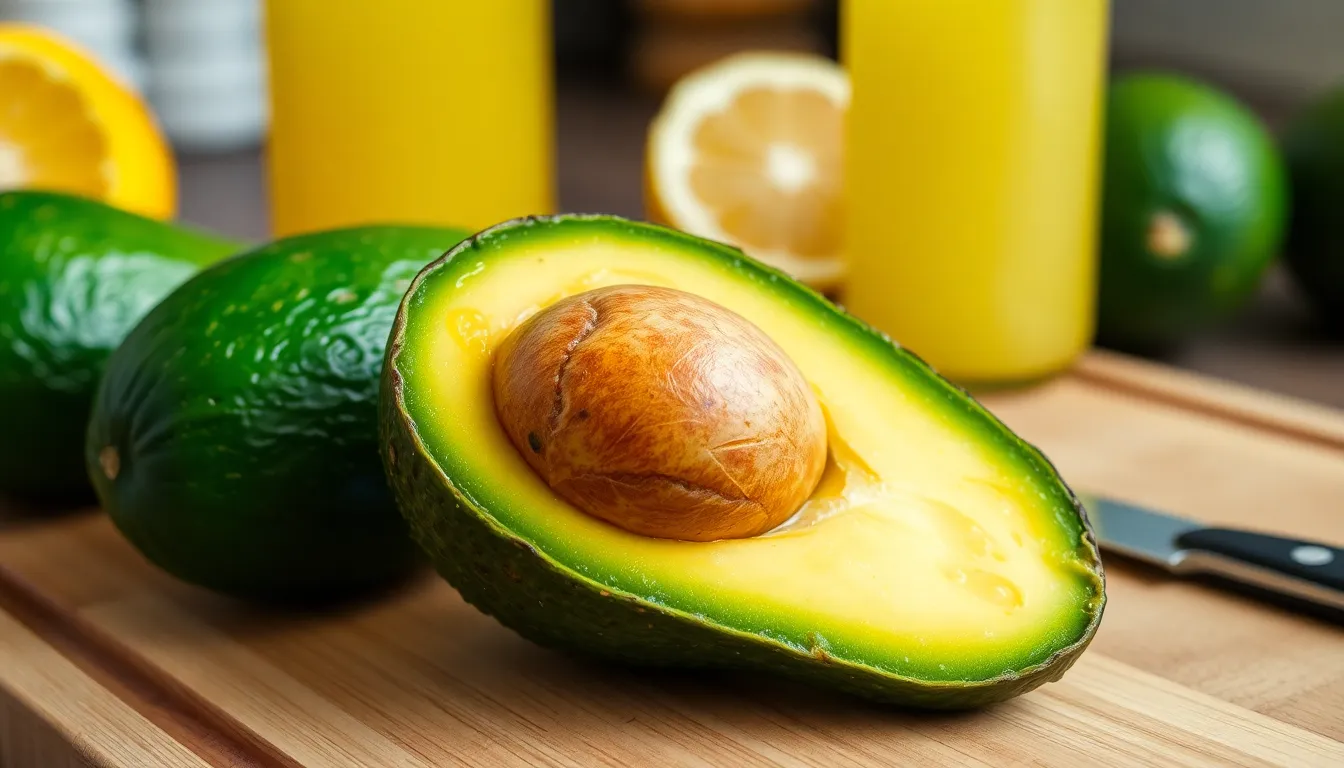

Imagine pouring a splash of lemon juice on a slice of avocado and watching it turn from vibrant green to a murky brown. Is it magic? Nope, it’s science! Color change often raises eyebrows and sparks curiosity, leading many to wonder if it signals a chemical change.
Understanding Color Change
Color change in substances signifies a fundamental chemical process. Identifying its nature helps in understanding underlying chemical reactions.
Definition of Color Change
Color change occurs when the appearance of a substance alters due to a chemical reaction. This transformation often indicates the formation of new substances with different properties. For example, an avocado turning brown when exposed to air demonstrates oxidation, a significant chemical change. Knowledge of color change can also highlight processes in various fields, such as food chemistry and environmental science. It signals reactions that may affect taste, safety, or quality.
Types of Color Change
Several types of color changes exist, each reflecting different chemical processes. Oxidation involves reactions with oxygen, leading to visible changes, as seen in fruits and metals. Reduction processes, in contrast, may restore original colors, as with some dyes. Complex ion formation can also cause vivid color changes in solutions, often used in laboratory demonstrations. Other examples include pH indicators that shift colors based on acidity or alkalinity, showcasing a dynamic chemical response. Understanding these types aids in discerning the significance of alterations in substance coloration.
Is Color Change a Chemical Change?
Color change can indicate a chemical change, often signaling that a new substance has formed. Observing color variations in a material prompts consideration of underlying chemical processes.
Indicators of Chemical Change
Key indicators of chemical changes include color change, gas production, temperature shifts, and precipitate formation. Color changes serve as a visual cue, indicating that different substances are combining or transforming. For instance, when iron rusts, the iron transitions from a metallic gray to a reddish-brown hue, marking the formation of iron oxide. Such transformations occur through chemical reactions, confirming that a fundamental change is taking place in the material’s composition.
Examples of Color Change in Chemistry
Various color changes exemplify chemical changes across different contexts. In food chemistry, the browning of an avocado represents oxidation, where exposure to oxygen alters its pigment. In laboratory settings, litmus paper shifts color in response to pH changes, illustrating acid-base reactions. Additionally, the vivid transition of pH indicators highlights chemical reactions taking place in solutions. These examples demonstrate how color changes reflect significant chemical processes that can alter the characteristics of substances.
Distinguishing Between Physical and Chemical Changes
Understanding the distinctions between physical and chemical changes proves essential, especially when examining phenomena like color change.
Characteristics of Physical Changes
Physical changes involve alterations in form or appearance without altering the substance’s chemical composition. Examples include melting ice or dissolving sugar in water. These changes are generally reversible; ice can refreeze, and sugar can crystallize again. Key characteristics of physical changes include observable changes in shape, size, or state, often accompanied by no release or absorption of energy. Temperature remains stable during these changes, reinforcing the idea that the original substance remains intact.
Characteristics of Chemical Changes
Chemical changes signify the transformation of substances into different substances, accompanied by distinct properties. During these changes, color changes, gas production, and temperature shifts often occur. For instance, a candle burning transforms wax into soot and gases, exemplifying chemical change. Indicators include the formation of precipitates and energy changes, which illustrate that new substances emerge. Unlike physical changes, many chemical changes are irreversible. Rusting, combustion, and fermentation exemplify such processes, highlighting the significance of understanding these changes in various contexts.
Implications of Color Change in Real Life
Color change carries significant implications in various fields, from nature to everyday products. Recognizing these changes often reveals underlying chemical processes vital for understanding interactions.
Color Change in Nature
In nature, color change signals important ecological shifts. For instance, leaves transform in vibrant hues during autumn due to chlorophyll breakdown, showcasing the chemical process of degradation. Additionally, many animals display color change as a response to environmental conditions, like chameleons altering colors for camouflage or communication. Such changes enhance survival by indicating food availability, mating readiness, or warning potential predators. Observing these transformations fosters a deeper appreciation for chemical dynamics within ecosystems.
Color Change in Everyday Products
Everyday products frequently exhibit color changes, indicating chemical alterations. For example, indicators in pH testing kits shift colors in response to acidity or alkalinity, demonstrating reactive chemical properties. Additionally, certain foods, like apples and bananas, brown when exposed to air due to oxidation, affecting both taste and nutritional quality. The color change in laundry detergents signifies cleaning effectiveness, with certain formulations changing hues when they interact with stains. Such episodic transformations help consumers make informed choices regarding safety and quality. Understanding these implications emphasizes the importance of awareness in daily life.
Color change serves as a vital indicator of chemical processes that occur in various contexts. Whether it’s the browning of an avocado or the rusting of iron these transformations reveal the underlying chemical reactions at play. Recognizing the difference between physical and chemical changes is essential for understanding how substances interact and evolve.
The implications of color change extend beyond mere observation. They play a crucial role in food chemistry environmental science and natural ecosystems. By appreciating these dynamics individuals can make informed decisions about food safety quality and even environmental health. Embracing this knowledge fosters a deeper understanding of the world and the chemical changes that shape everyday life.