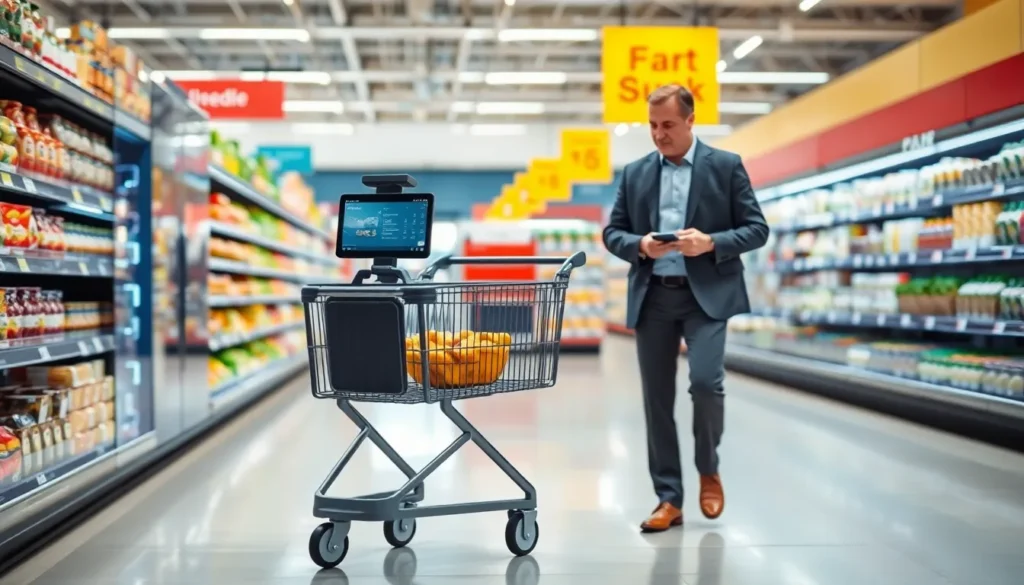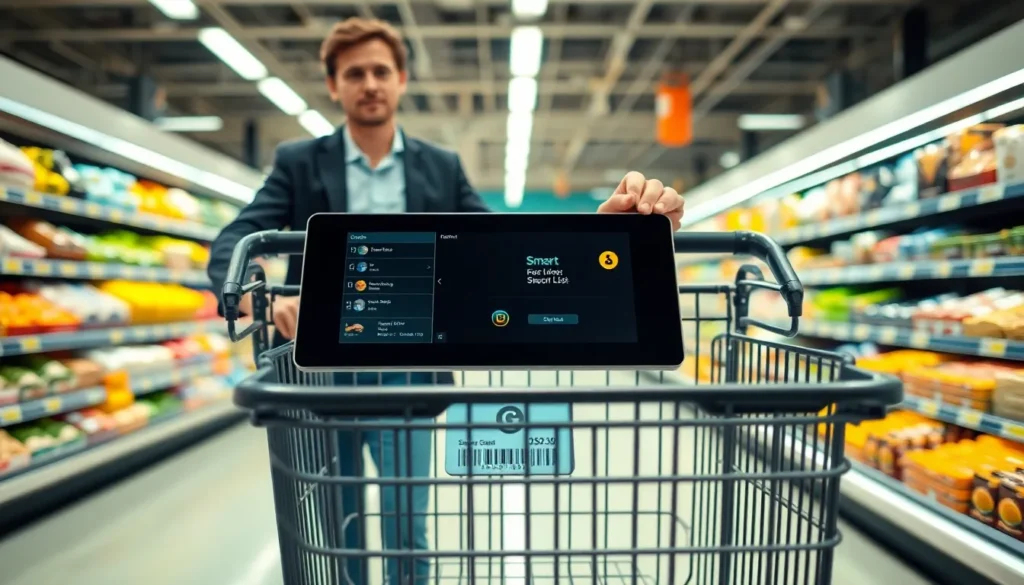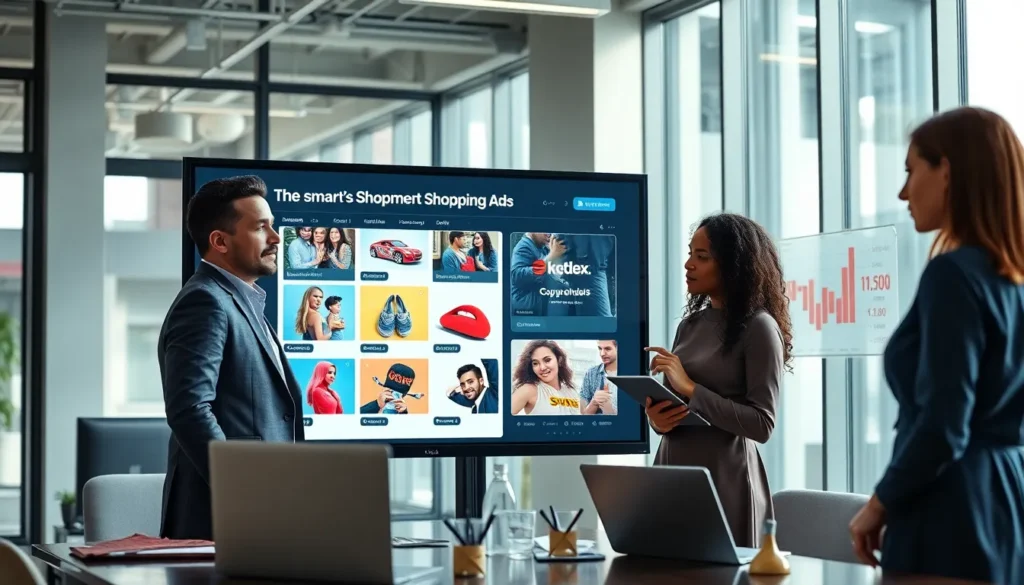
In a world where shopping can feel like a game of hide-and-seek, intelligent retail is here to change the rules. Imagine walking into a store that knows your preferences better than your best friend—minus the awkward small talk. With the power of AI and data analytics, retailers are transforming the shopping experience into something that’s not just smart but downright genius.
Gone are the days of wandering aimlessly down aisles, hoping to stumble upon what you need. Intelligent retail uses technology to personalize recommendations, streamline inventory, and even predict trends before they hit the shelves. It’s like having a personal shopper who never sleeps and always knows what’s hot. As this innovative approach takes center stage, it’s time to explore how intelligent retail is reshaping the future of shopping—one data point at a time.
Overview of Intelligent Retail
Intelligent retail utilizes advanced technologies like artificial intelligence and data analytics to reshape the shopping landscape. This approach enhances customer engagement by providing personalized shopping experiences tailored to individual preferences. Retailers can analyze vast amounts of data to understand consumer behaviors and predict trends effectively.
Smart algorithms offer product recommendations based on previous purchases and browsing history. Such personalization reduces time spent searching for products, making shopping more efficient. Inventory management also benefits significantly from intelligent retail, as these systems track stock levels in real-time, ensuring that popular items remain available.
Predicting shifts in consumer demand becomes feasible with data insights. When retailers anticipate trends, they can stock up on products before demand spikes. Additionally, intelligent retail fosters a seamless omnichannel experience. Consumers expect consistency across various shopping platforms, whether online or in-store.
The integration of smart technology enhances customer service as well. Users can interact with chatbots for inquiries or assistance, receiving immediate responses. Interactive displays in physical stores provide information and recommendations, mingling traditional shopping with cutting-edge technology.
Using intelligent retail strategies not only boosts sales but also cultivates customer loyalty. When customers enjoy a seamless, personalized experience, they are likely to return. This effectiveness signifies a shift in how retailers and consumers interact, paving the way for innovation in the sector.
Key Technologies Driving Intelligent Retail

Advanced technologies significantly shape the landscape of intelligent retail. These innovations enhance customer experiences, streamline operations, and optimize sales.
Artificial Intelligence Applications
Artificial intelligence offers retailers powerful tools to analyze consumer data. Smart algorithms analyze purchasing patterns, enabling customized product recommendations. These insights foster personalized shopping experiences and help retailers predict future trends. Chatbots also utilize AI to provide customer support, answering queries swiftly. Retailers that employ AI can improve operational efficiency and ensure that customers receive precisely what they desire.
Internet of Things (IoT) Integration
IoT integration revolutionizes how retailers manage inventory and customer interactions. Smart devices connect to a network, offering real-time data on product availability and consumer behavior. Sensors monitor stock levels, enabling timely restocking before items run out. IoT applications enhance the shopping experience through personalized offers shared directly to customers’ smartphones. Retailers harness this technology to create seamless interactions, fostering customer loyalty and increasing sales through connected experiences.
Benefits of Intelligent Retail
Intelligent retail offers significant advantages by improving both customer interactions and operational efficiency.
Enhanced Customer Experience
Personalization stands at the forefront of intelligent retail benefits. Retailers gather data to tailor recommendations, maximizing customer satisfaction. Engaging chatbots provide immediate support, addressing queries in real time. Efficient use of smart technology leads to meaningful interactions, creating a deeper connection between consumers and brands. Consistently available product information enhances decision-making, ensuring shoppers find exactly what they seek. Immediate access to promotions through smartphone notifications fosters customer loyalty, encouraging repeat visits. As customers enjoy a seamless shopping experience, their overall satisfaction results in increased revenue.
Streamlined Operations
Optimized inventory management transforms how retailers operate. Real-time data insights enable precise tracking of stock levels, preventing overstock and stockouts. Prediction algorithms anticipate trends, refining purchase planning and improving supply chain efficiency. Furthermore, automated processes reduce manual tasks, allowing employees to focus on customer engagement. By analyzing consumer behaviors, retailers refine their offerings, enhancing sales potential. Enhanced operational insights ensure that popular products remain in stock, satisfying market demand. This efficiency not only boosts sales but also strengthens relationships with consumers, solidifying brand trust.
Challenges in Implementing Intelligent Retail
Implementing intelligent retail faces significant challenges that can hinder its effectiveness. Data privacy remains a pressing issue for retailers and consumers alike.
Data Privacy Concerns
Retailers must address customer concerns regarding data handling. Compliance with regulations like GDPR requires transparency about data collection and usage. Additionally, unauthorized data access can lead to breaches, damaging consumer trust. Customers expect their personal information to be secure. Education on data practices can alleviate fears but requires strong communication strategies. Establishing trust becomes vital as data analytics relies heavily on understanding user preferences. Retailers that prioritize data privacy can foster loyalty while remaining competitive.
Integration with Legacy Systems
Integrating intelligent retail solutions with existing legacy systems poses substantial difficulties. Many retailers still rely on outdated technologies that may not support modern AI applications. Compatibility issues arise when attempting to connect old systems with new data-driven platforms. Investment in updated infrastructure can be costly and may disrupt operations. Training personnel to navigate new technologies adds another layer of complexity. A phased approach allows for smoother transitions while minimizing disruption. Retailers that effectively manage this integration can unlock greater efficiency and enhance customer experiences.
Case Studies of Intelligent Retail Success
Various case studies illustrate the effectiveness of intelligent retail solutions across the industry. Several major brands showcase innovative strategies, demonstrating significant advancements in customer engagement and operational efficiency.
Major Brands Leading the Charge
Amazon ranks as a pioneer in intelligent retail. It utilizes sophisticated algorithms to analyze customer behavior, providing tailored product recommendations. Walmart also embraces AI, employing technology to streamline inventory management and improve customer experiences. Target focuses on personalized marketing through data insights, enhancing its ability to connect with shoppers. These leading brands reflect the growing trend toward personalization and efficiency in retail.
Lessons Learned from Implementation
Success in intelligent retail comes with valuable lessons. Retailers must prioritize data privacy and transparency, addressing customer concerns upfront. Integrating new technologies with existing systems requires careful planning to avoid disruptions. Moreover, companies should invest in training staff to maximize the benefits of these advancements. Continuous monitoring and adaptation to emerging trends prove essential for sustaining success. These insights underscore the importance of strategic planning in harnessing intelligent retail solutions.
Intelligent retail is redefining the shopping experience by merging technology with consumer needs. Retailers harness AI and data analytics to create personalized interactions that elevate customer satisfaction. As they navigate the complexities of implementation and data privacy, those who adapt will thrive in this evolving landscape.
The future of retail lies in the ability to anticipate customer preferences and streamline operations. By embracing intelligent retail solutions, businesses can foster deeper connections with their customers while optimizing their supply chains. This transformative approach not only enhances sales but also builds lasting loyalty in an increasingly competitive market.